TOTAL PAGEVIEWS

TRANSLATE

Monday, 11 April 2022

20-5-2019 BUMI HILLS, ZIMBABWE - AFRICAN DARTER (Anhinga rufa)


The African darter is a waterbird native to sub-Saharan Africa, known for its long neck and ability to dive and hunt fish. It is also called a "snakebird" because it swims with only its S-shaped neck and head visible above the water. The African darter's specialized feathers allow it to remain submerged, and it can immediately take flight after emerging from the water. 

Physical characteristics
Size: They range from about 80 to 95 cm long and weigh 1 to 1.4 kg.
Plumage: Adult males are glossy black with a rusty-orange neck and a white stripe from the eye down the side of the neck. Females and juveniles are duller brown.
Bill: They have a long, dagger-like bill with tiny, backward-pointing notches to help hold onto prey.
Feet: Their webbed feet have four toes and are set far back on their body, making them excellent swimmers but clumsy on land. 

11-4-2022 GANDIA MARJAL, VALENCIA - MALLARD (FEMALE) (Anas platyrhynchos)


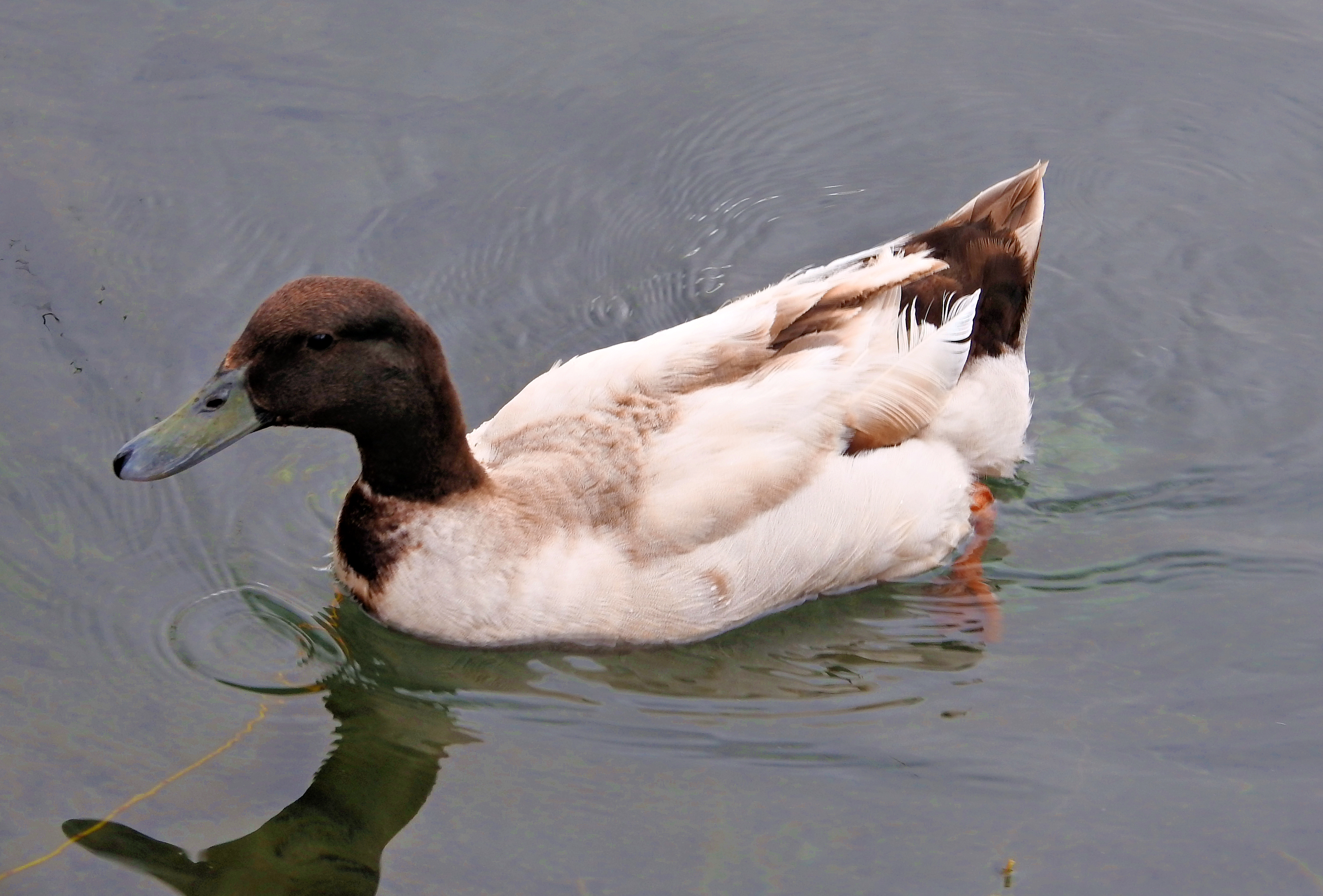
11-4-2022 GANDIA MARJAL, VALENCIA - DOMESTIC MALLARD (Anas platyrhynchos var. domesticus)


11-4-2022 GANDIA MARJAL, VALENCIA - HOUSE SPARROW (MALE) (Passer domesticus)


11-4-2022 MONTE CORONA, VALENCIA - WAVE MOTH (Idaea eugeniata)


Sunday, 10 April 2022

19-5-2019 BUMI HILLS, ZIMBABWE - BROWN CROWNED TCHAGRA (Tchagra australis)


The brown-crowned tchagra (Tchagra australis) is a species of bird in the family Malaconotidae.

It is found in Angola, Benin, Botswana, Burundi, Cameroon, Central African Republic, Republic of the Congo, DRC, Eswatini, Ivory Coast, Gabon, Ghana, Guinea, Kenya, Liberia, Malawi, Mali, Mozambique, Namibia, Nigeria, Rwanda, Sierra Leone, South Africa, South Sudan, Tanzania, Togo, Uganda, Zambia, and Zimbabwe. Its natural habitats are subtropical or tropical dry forests and dry savanna.

19-5-2019 BUMI HILLS, ZIMBABWE - SAVANNAH ELEPHANT (Loxodonta Africana)


19-5-2019 BUMI HILLS, ZIMBABWE - SMITH'S BUSH SQUIRREL


20-5-2019 BUMI HILLS, ZIMBABWE - SOUTHERN RED BILLED HORNBILL (Tockus rufirostris)


19-5-2019 BUMI HILLS, ZIMBABWE - WHITE BROWED SPARROW WEAVER (Plocepasser mahili)


The white-browed sparrow-weaver (Plocepasser mahali) is a predominantly brown, sparrow-sized bird found throughout central and north-central southern Africa. It is found in groups of two to eleven individuals consisting of one breeding pair and other non-reproductive individuals.

The white-browed sparrow-weaver (Plocepasser mahali) is a predominantly brown, sparrow-sized bird found throughout central and north-central southern Africa. It is found in groups of two to eleven individuals consisting of one breeding pair and other non-reproductive individuals.

During his expedition to the interior of southern Africa in 1834–35, Andrew Smith collected specimens of the white-browed sparrow weaver at the Modder River, which he described in 1836, giving it the scientific name Plocepasser mahali.

19-5-2019 BUMI HILLS, ZIMBABWE - LAUGHING DOVE (Streptopelia senegalensis)


The Laughing Dove (Spilopelia senegalensis) is a small, graceful pigeon with a long tail, known for its gentle, unassuming presence across a vast range. Exhibiting a pinkish-brown underside with a lilac-tinged head and neck, this dove carries an air of delicate beauty. The species is recognized by its pinkish head and underparts, transitioning to buff on the lower abdomen. Adults boast a distinctive chequered rufous and grey patch on the neck, composed of split feathers, while the upper parts are brownish with a bluish-grey wing band.

When observing the Laughing Dove, look for its slim profile, about 25 cm in length, and the graduated tail with white-tipped outer feathers. Both sexes appear similar, making field identification by gender challenging. Juveniles can be identified by the absence of the chequered neck markings. The red legs are another characteristic feature to note.

This species thrives in dry scrub and semi-desert regions, often seen in pairs as they forage on the ground. It has adapted well to human habitation, becoming quite tame in areas where people are present.

The Laughing Dove has a broad range that includes Sub-Saharan Africa, the Middle East, South Asia, and Western Australia. It is a resident breeder in these areas, with some populations showing sedentary behavior, while others may exhibit local movements.

21-5-2019 BUMI HILLS, ZIMBABWE - SOUTHERN DARK CAPPED BULBUL (Pycnonotus barbatus ssp. layardi)


10-4-2022 TARRAGONA, SPAIN - SAVI'S WARBLER (Locustella luscinioides)


This small passerine bird is found in reed beds, usually with some bushes. Three to six eggs are laid in a nest in reeds. The adult has an unstreaked grey-brown back, whitish grey underparts and a lack of throat streaks, which is a distinction from the river warbler. The sexes are identical, as with most warblers, but young birds are yellower below. Like most warblers, it is insectivorous. This is not a shy species, but can be difficult to see in the reeds except sometimes when singing.

The "song"ⓘ is a monotonous mechanical insect-like reeling, often given at dusk. It is similar to the song of other species in the group, but is generally faster and deeper and bears a strong resemblance to that of Roesel's bush-cricket.


10-4-2022 MONTE CORONA, VALENCIA - YELLOW BELLIED SLIDER TERRAPIN (Trachemys scripta)


10-4-2022 MONTE CORONA, VALENCIA - SAGE LEAVED ROCK ROSE (Cistus salviifolius)


10-4-2022 MONTE CORONA, VALENCIA - BLUE ROCK THRUSH (MALE) (Monticola solitarius)


10-4-2022 MONTE CORONA, VALENCIA - JUMPING BRISTLETAIL (Genus Dilta)