Thursday, 25 June 2020


Wednesday, 24 June 2020


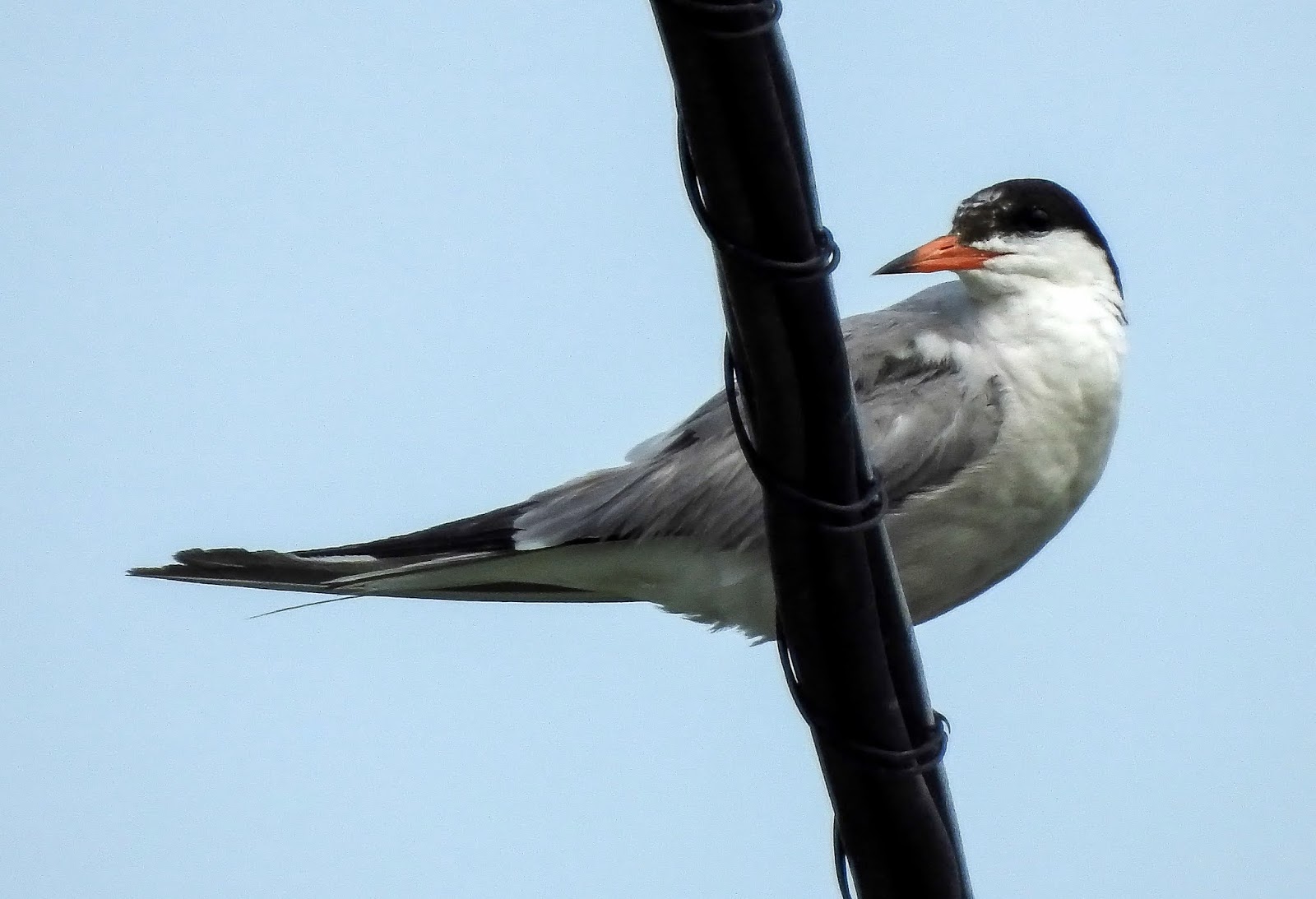


Tuesday, 23 June 2020


Monday, 22 June 2020


22-6-2020 ALFAUIR, VALENCIA - SPOTTED FLYCATCHER (Muscicapa striata)
https://en.wikipedia.org/wiki/Spotted_flycatcher
 |
| 22-6-2020 ALFAUIR, VALENCIA - SPOTTED FLYCATCHER (Muscicapa striata) |


Sunday, 21 June 2020


21-6-2020 MONTAVERNER, VALENCIA - CENTAURIES (Blackstonia grandiflora)

Blackstonia is a genus of flowering plants of the family Gentianaceae, native to Europe and to nearby regions of Asia and Africa. Its best known species is its type species, Blackstonia perfoliata, the yellow-wort.
The genus is named after the English botanical writer John Blackstone (1712-1753).
Species
Species currently accepted by The Plant List[3] are as follows:
Blackstonia acuminata (Koch & Ziz) Domin
Blackstonia grandiflora (Viv.) Maire
Blackstonia imperfoliata (L.f.) Samp.
Blackstonia perfoliata (L.) Huds.


29-3-2018 OUDTSCHOORN, SOUTH AFRICA - CAPE WEAVER (Ploceus capensis)
%2040-topaz-upscale-1.5x.jpg)
The Cape weaver, Ploceus capensis, is a robust bird, measuring 17 cm in length, with olive-brown streaked upperparts and a sharply pointed conical bill. This species exhibits sexual dimorphism.
During the breeding season, the male Cape weaver is resplendent with a bright yellow head and underparts, an orange visage, and striking white irises. The adult female, however, sports an olive-yellow head and breast, which fades to a paler yellow on the lower belly. While females typically have brown eyes, a small percentage may display pale eyes during the summer months. Juveniles resemble the female in plumage.
The Cape weaver thrives in open grasslands, lowland fynbos, coastal thickets, and agricultural landscapes, provided there is a consistent presence of water and suitable trees for nesting.
This bird is endemic to the southern reaches of Africa, specifically South Africa, Lesotho, and Eswatini. Its range extends from the Northern Cape's Orange River, southward to the Cape of Good Hope, and eastward to northern KwaZulu Natal, almost reaching Bloemfontein in the Free State.
Outside of the breeding season, Cape weavers form flocks and congregate in large communal roosts, which may be shared with other avian species. They exhibit anting behaviour and are known to bathe even during rainfall or mist.


Subscribe to:
Comments (Atom)