This Blog contains Wildlife, Plants and Bird Photos from Walks, Safaris, Birding Trips and Vacations. Most of the pictures have been taken with my Nikon P900 and P950X cameras. Just click on any image for a larger picture. On the right column under the Blog Archive are the entries by date. Below that under Animal categories all the diffent species of Animals, Birds, Insects and Plants contained in the website are listed. Clicking on any entry will show all the entries for that species.
TOTAL PAGEVIEWS
TRANSLATE
Sunday, 20 September 2020
20-9-2020 CREU DE LONGA, VALENCIA - WHISKERED TERN (Chlidonias niger)
20-9-2020 MONTE CORONA, VALENCIA - HORSE CHESTNUT MOTH (Pachycnemia hippocastanaria)
31-3-2017 MIAMI, FLORIDA - WILSON'S SNIPE (Gallinago delicata)
Saturday, 19 September 2020
9-3-2020 THATTEKAD BIRD SANCTUARY, INDIA - YELLOW STEMMED MICOPORE (Microporus xanthopus)
16-9-2020 RACO DE OLLA, VALENCIA - GREATER FLAMINGO (Phoenicopterus roseus)
19-9-2020 GANDIA, VALENCIA - OLD WORLD SWALLOWTAIL BUTTERFLY (Papilio machaon)
19-9-2020 GANDIA, VALENCIA - BLUE WINGED GRASSHOPPER (Oedipoda caerulescens)
19-9-2020 MONTE CORONA, VALENCIA - PUG MOTH (Genus Eupithecia)
18-9-2020 MONTE CORONA, VALENCIA - THIN LEGGED WOLF SPIDER (Genus Pardosa)
Pardosa is a large genus of wolf spiders, commonly known as the thin-legged wolf spiders. It was first described by C. L. Koch, in 1847, with more than 500 described species that are found in most regions of the world.
Pardosa are found worldwide except Australia.
These spiders are generally found in dry open woods as well as on wet ground near ponds and streams.
The egg-sac is lenticular, usually greenish when fresh and changing to dirty grey when older. Studies of P. crassipalpis found it to be a univoltine species with males passing through seven instars before reaching maturity and females through eight. During the reproductive phase, females produce an average of three egg sacs with an average of 23.3 eggs per sac.
Friday, 18 September 2020
16-9-2020 RACO DE OLLA, VALENCIA - GREATER FLAMINGO (Phoenicopterus roseus)
16-9-2020 L'ESTANY CULLERA, VALENCIA - MUSKOVY DUCK (Cairina moschata)
16-9-2020 L'ESTANY CULLERA, VALENCIA - MUSKOVY DUCK (JUVENILE) (Cairina moschata)
16-9-2020 L'ESTANY CULLERA, VALENCIA - MUSKOVY DUCK (JUVENILE)
16-9-2020 L'ESTANY CULLERA, VALENCIA - MUSKOVY DUCK (JUVENILE) (Cairina moschata)
Thursday, 17 September 2020
8-9-2019 MONTE CORONA, VALENCIA - GEOMETER MOTH (Charissa mucidaria)
17-9-2020 MONTE CORONA, VALENCIA - SMALL BLOOD VEIN MOTH (Scopula imitaria)
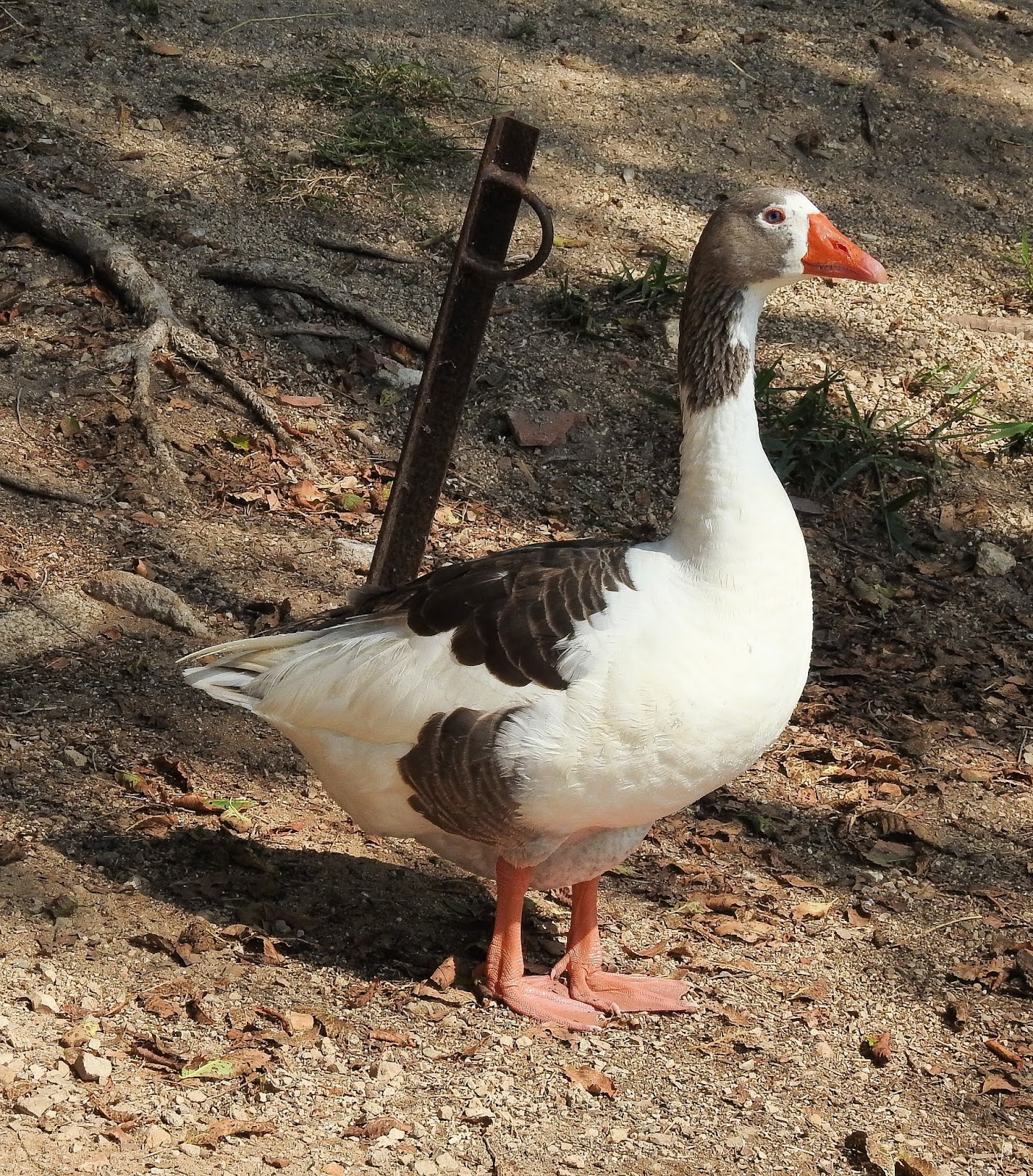
16-9-2020 L'ESTANY CULLERA, VALENCIA - GREYLAG GOOSE (Anser anser)
16-9-2020 RACO DE OLLA, VALENCIA - PIED AVOCET (Recurvirostra avosetta)
Adult pied avocets measure approximately 16.5–17.75 inches in length, with a wingspan stretching around 30–31.5 inches. Their long legs and upturned bills, measuring about 2.95–3.35 inches and 3–4 inches respectively, are key features for identification. Both sexes appear similar, while juveniles can be distinguished by their more greyish and sepia tones.
The pied avocet breeds across temperate Europe and extends across the Palearctic to Central Asia and the Russian Far East. It is a migratory species, with most individuals wintering in Africa or southern Asia. Some, however, remain in the milder parts of their range during winter, such as southern Spain and southern England.
Pied avocets forage in shallow waters or on mudflats, often employing a unique side-to-side scything motion with their bills to capture prey. They primarily consume crustaceans and insects. During the breeding season, they nest on open ground, often forming small groups and sometimes associating with other wader species. Their nests are typically lined scrapes or mounds of vegetation, where they lay three to five eggs.
16-9-2020 RACO DE OLLA, VALENCIA - RUFF (Calidris pugnax)
Ruffs are highly gregarious, especially during migration when they form large flocks. Males display at leks, with territorial males occupying small areas and satellite males attempting to mate within these territories. A third, rare male type mimics females to gain mating opportunities.
The ruff is generally silent, but during display, a soft "gue-gue-gue" may be heard.
Females lay four eggs in a well-hidden ground nest and incubate them alone. Chicks are mobile soon after hatching and are reared solely by the female. Males leave the breeding grounds early in the season.
Ruffs feed on insects, especially during the breeding season, and consume plant material, including rice and maize, during migration and winter. They forage in wet grassland and soft mud, probing or searching by sight for edible items.
Globally, the ruff is classified as "Least Concern" due to its large breeding numbers in Scandinavia and the Arctic. However, European populations are contracting and are listed as "Near Threatened" due to habitat loss and over-hunting. The species is protected under the Agreement on the Conservation of African-Eurasian Migratory Waterbirds (AEWA).
16-9-2020 RACO DE OLLA, VALENCIA - GREATER FLAMINGO (Phoenicopterus roseus)
16-9-2020 RACO DE OLLA, VALENCIA - MALLARD (MALE) (Anas platyrhynchos)
The Mallard, or wild duck (Anas platyrhynchos), is a familiar and widespread dabbling duck with a presence across temperate and subtropical regions of the Americas, Eurasia, and North Africa. It has also been introduced to parts of the Southern Hemisphere. The male is renowned for its iridescent green head and white collar, while the female sports a brown-speckled plumage. Both sexes boast a speculum—a patch of feathers with iridescent purple or blue hues bordered by white. The Mallard's length ranges from 50 to 65 cm, with a wingspan of 81 to 98 cm, and it typically weighs between 0.7 and 1.6 kg.
Males during the breeding season are unmistakable with their glossy green heads, white collars, and purple-tinged brown breasts. Females are mottled brown with buff cheeks and an eye-stripe. Both sexes have the distinctive speculum on their wings. The male's bill is yellowish-orange tipped with black, while the female's is darker, ranging from black to mottled orange and brown.
Mallards are found in a variety of wetlands, including parks, small ponds, rivers, lakes, and estuaries. They prefer water depths less than 0.9 meters and are drawn to areas with aquatic vegetation.
%2030.jpg)
%2031.jpg)
%2032.jpg)


%2020.jpg)


%2020.jpg)
%2020.jpg)


%2020.jpg)
%2021.jpg)
%2020.jpg)
%2021.jpg)