TOTAL PAGEVIEWS

TRANSLATE

Sunday, 4 April 2021

29-3-2021 BIOPARC, VALENCIA - DRILL (Mandrillus leucophaeus)


The drill (Mandrillus leucophaeus) is a primate of the family Cercopithecidae (Old World monkeys), related to baboons and even more closely to mandrills.

Drills are found only in Cross River State in Nigeria, southwestern Cameroon (south to the Sanaga River), and on Bioko Island, part of Equatorial Guinea, in rainforest habitats. Their entire global range is less than 40,000 km2.

Drills are among Africa’s most endangered mammals, and are listed by the IUCN as the highest conservation priority of all African primates. Drill numbers have been declining in all known habitat areas for decades as a result of illegal commercial hunting, habitat destruction, and human development; as few as 3,000 drills may remain in the wild, with the highest population estimate only 8,000. A total of 174 drills recovered from illegal capture are in semicaptivity at the Drill Rehabilitation and Breeding Centre in Nigeria, with high success rates in breeding recorded there, and about 40 in other zoos internationally.
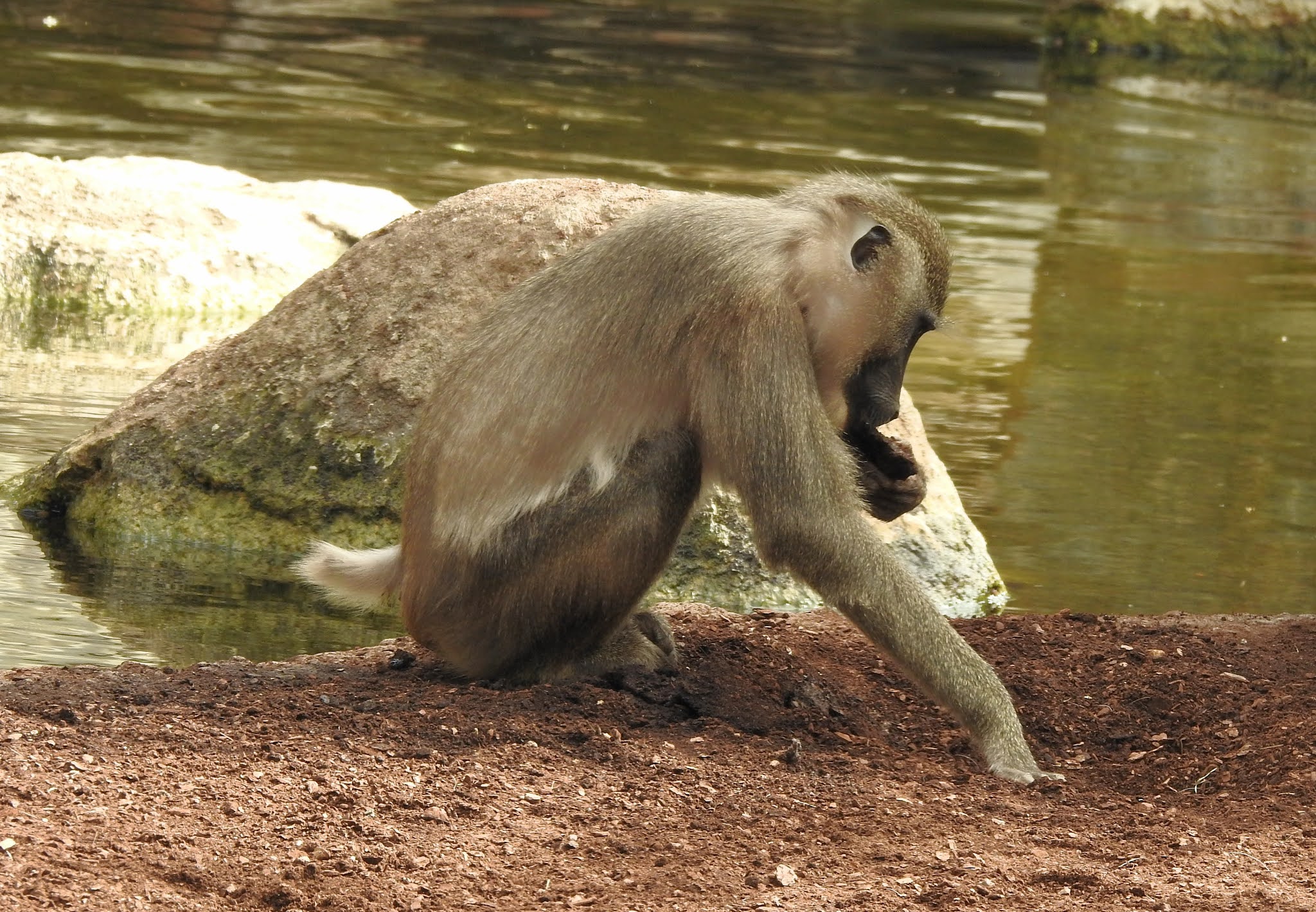

The drill (Mandrillus leucophaeus) is a highly endangered Old World monkey native to the tropical rainforests of Nigeria, Cameroon, and Bioko Island. Closely related to the mandrill, this striking primate is easily recognized by its jet-black face, crimson lower lip, and vividly colored purple and red buttocks.

Key Characteristics

Appearance: The drill has a short tail and stout body. Males are significantly larger, weighing around 25 kg, which is more than double the average size of females (11.5 kg).


Social Structure: They are gregarious and diurnal omnivores, living in groups (troops) that range from a single male and several females to aggregations of over 100 individuals.

Habitat: They are primarily terrestrial foragers but are adept climbers that forage for fruit, insects, and small prey.

Conservation StatusThe drill is considered one of the most threatened primates in the world. Its wild populations face severe decline due to intensive hunting for bushmeat and widespread deforestation.

29-3-2021 BIOPARC, VALENCIA - KLIPSPRINGER (Oreotragus oreotragus)


Saturday, 3 April 2021

29-3-2021 BIOPARC, VALENCIA - CAPE TEAL (Anas capensis)


29-3-2021 BIOPARC, VALENCIA - HELMETED GUINEA FOWL (Numida meleagris)


Helmeted guinea fowl are seasonal breeders. Summer is the peak breeding season in which the testes could weigh up to 1.6 gm, while during winter no breeding activity takes place. The serum testosterone level is up to 5.37 ng/ ml during the breeding season.

They breed in warm, fairly dry and open habitats with scattered shrubs and trees such as savanna or farmland.


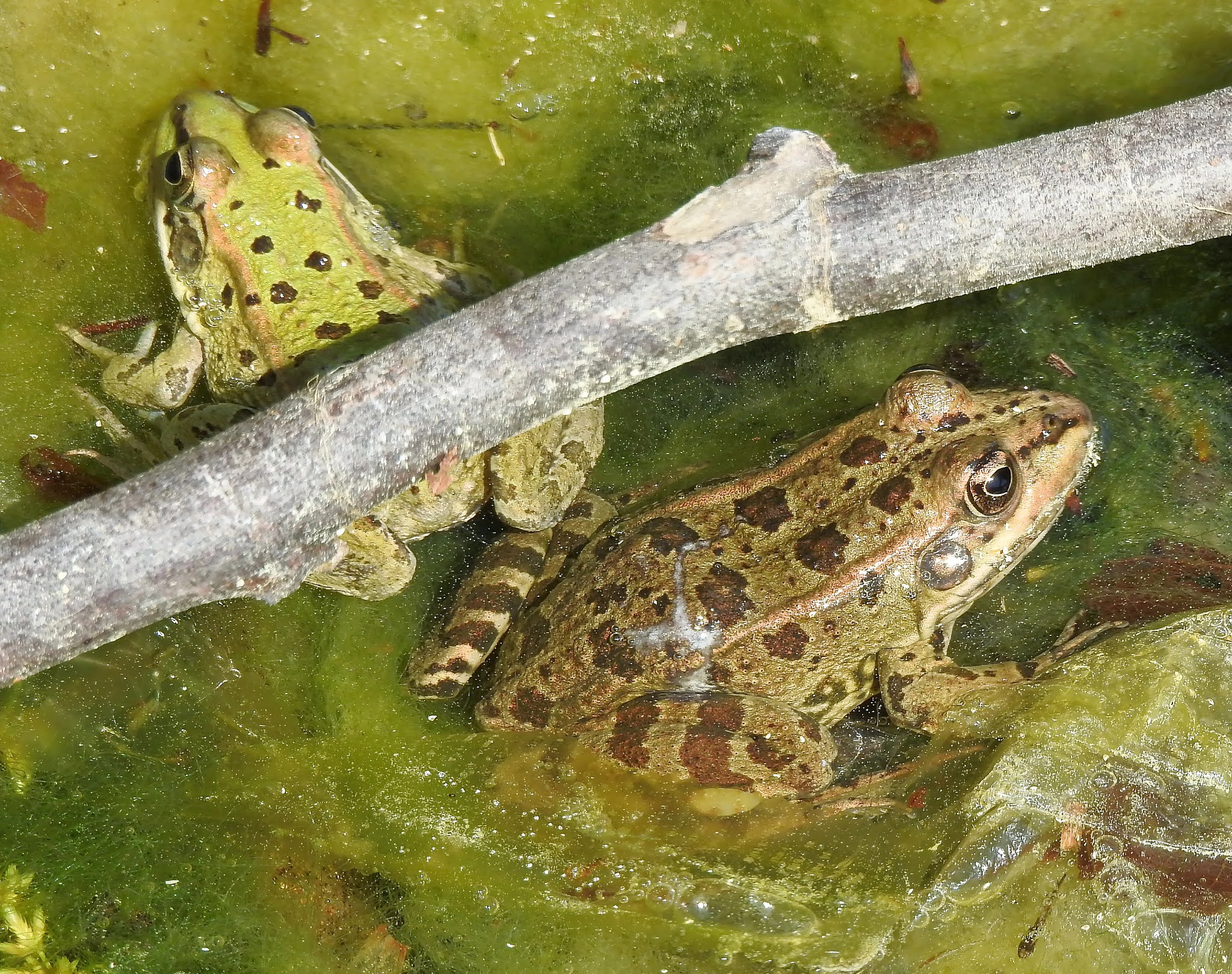
3-4-2021 GANDIA, VALENCIA - IBERIAN GREEN FROG (Pelophylax perezi)


3-4-2021 GANDIA, VALENCIA - HOUSE SPARROW (MALE) (Passer domesticus)


The Eurasian tree sparrow (Passer montanus) is a charming passerine bird, easily recognized by its rich chestnut crown and nape, and a distinctive black patch on each pure white cheek. Both sexes are similarly adorned, and the juveniles mirror the adults, albeit with slightly duller hues. This species is somewhat smaller than the closely related house sparrow, and its size is approximately 12.5–14 cm in length, with a wingspan of about 21 cm.

To identify the Eurasian tree sparrow, look for the kidney-shaped black ear patch on each white cheek, the black chin and throat, and the light brown upperparts streaked with black. The wings bear two narrow white bars, and the legs are pale brown. The bill is lead-blue in summer, darkening almost to black in winter. Unlike the house sparrow, there is no sexual dimorphism in plumage, making both males and females equally easy to identify.

3-4-2021 GANDIA, VALENCIA - EUROPEAN SERIN (MALE) (Serinus serinus)


3-4-2021 GANDIA, VALENCIA - EUROPEAN GOLDFINCH (Carduelis carduelis)


3-4-2021 GANDIA, VALENCIA - BLUE AND YELLOW MACAW (Ara ararauna)


Friday, 2 April 2021

29-3-2021 BIOPARC, VALENCIA - EURASIAN BLACKBIRD (FEMALE) (Turdus merula)


29-3-2021 BIOPARC, VALENCIA - KNOB BILLED DUCK (MALE) (Sarkidiornis melanotos)


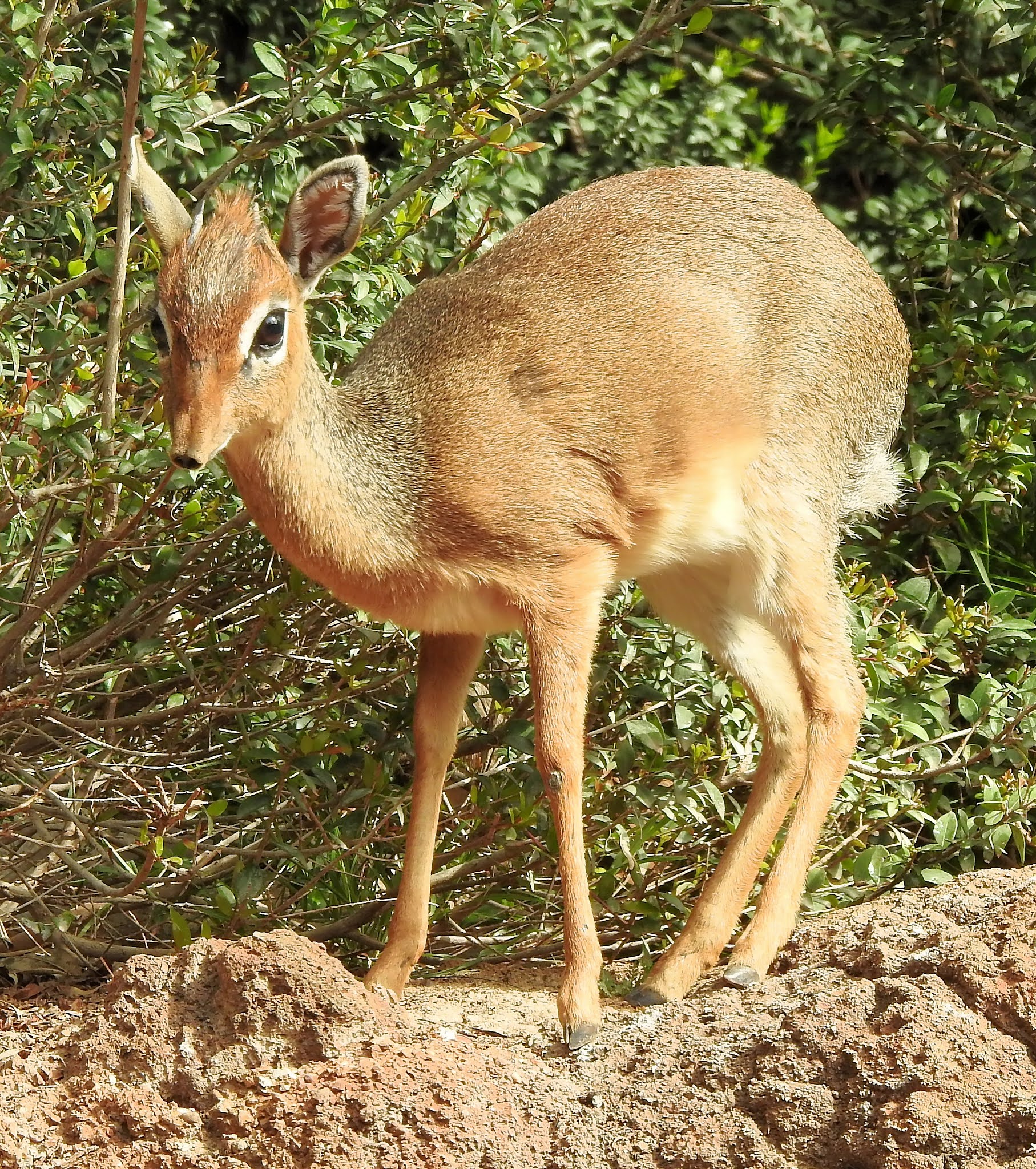
29-3-2021 BIOPARC, VALENCIA - KIRK'S DIK DIK (Madoqua kirkii)


2-4-2021 MONTE CORONA, VALENCIA - RING NECKED PHEASANT (Phasianus colchicus)


2-4-2021 MONTE CORONA, VALENCIA - CATALONIA WALL LIZARD (Podarcis liolepis)


2-4-2021 MONTE CORONA, VALENCIA - BLUE ROCK THRUSH (MALE) (Monticola solitarius)