TOTAL PAGEVIEWS

TRANSLATE

Monday, 15 November 2021

15-11-2021 LORCA, VALENCIA - EUROPEAN MANTIS (FEMALE) (Mantis religiosa ssp. religiosa)

https://www.inaturalist.org/taxa/1001265-Mantis-religiosa-religiosa


15-11-2021 LORCA, VALENCIA - EUROPEAN MANTIS (MALE) (Mantis religiosa ssp. religiosa)


15-11-2021 LORCA, VALENCIA - STUBBLE ROSEGILL (Volvopluteus gloiocephalus)


15-11-2021 LORCA, VALENCIA - DOTTED STALKED SUILLUS (Suillus granulatus)


15-11-2021 MONTE CORONA, VALENCIA - SHIELDBACK KATYDID (Thyreonotus corsicus)


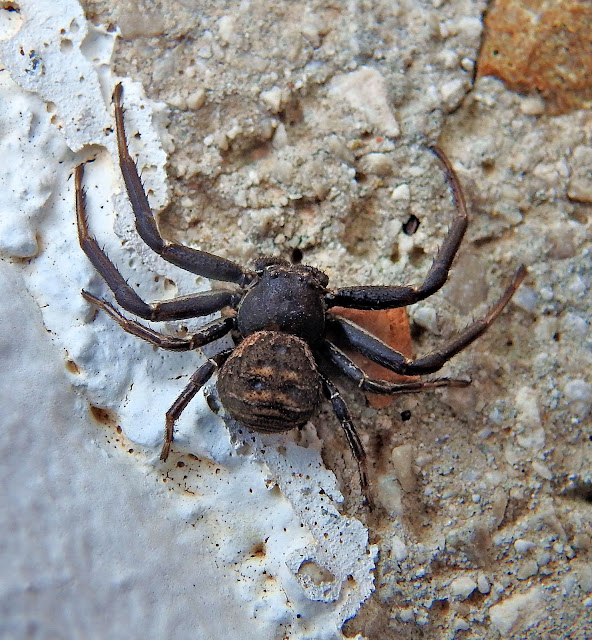
15-11-2021 MONTE CORONA, VALENCIA - TOAD CRAB SPIDER (Bassaniodes bufo)


Sunday, 14 November 2021

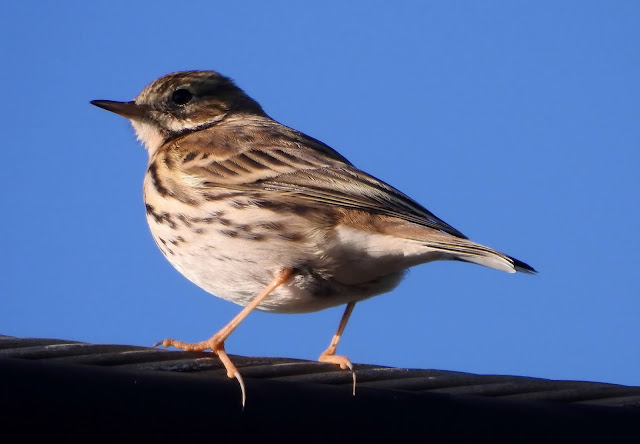
14-11-2021 LA FONT EN CARROS, VALENCIA - MEADOW PIPIT (Anthus pratensis)


14-11-2021 LA FONT EN CARROS, VALENCIA - COMMON CHIFFCHAFF (Phylloscopus collybita)


14-11-2021 LA FONT EN CARROS, VALENCIA - EUROPEAN GOLDFINCH


14-11-2021 LA FONT EN CARROS, VALENCIA - BLACK REDSTART (FEMALE) (Phoenicurus ochruros)


14-11-2021 GANDIA, VALENCIA - EURASIAN COLLARED DOVE (Streptopelia decaocto)


14-11-2021 POTRIES, VALENCIA - EUROPEAN ROBIN (Erithacus rubecula)


14-11-2021 POTRIES, VALENCIA - PAINTED LADY BUTTERFLY 1


Saturday, 13 November 2021

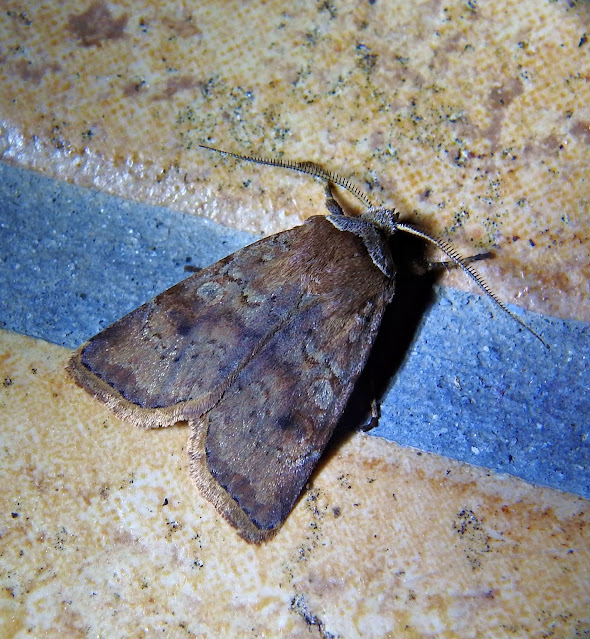
13-11-2021 MONTE CORONA, VALENCIA - CUTWORM MOTH (Cerastis faceta)


22-8-2021 SPACE MUSEUM, CUENCA - VARIABLE CATTLEHEART BUTTERFLY (Parides erithalion)


13-11-2021 MONTE CORONA, VALENCIA - MEDITERRANEAN MANTIS (FEMALE) (Iris oratoria)


3-11-2021 BIOPARC, VALENCIA - FOREST BUFFALO (MALE) (Syncerus caffer ssp. nanus)


3-11-2021 BIOPARC, VALENCIA - DRILL (Mandrillus leucophaeus)


The drill (Mandrillus leucophaeus) is a primate of the family Cercopithecidae (Old World monkeys), related to baboons and even more closely to mandrills.

Drills are found only in Cross River State in Nigeria, southwestern Cameroon (south to the Sanaga River), and on Bioko Island, part of Equatorial Guinea, in rainforest habitats. Their entire global range is less than 40,000 km2.

Drills are among Africa’s most endangered mammals, and are listed by the IUCN as the highest conservation priority of all African primates. Drill numbers have been declining in all known habitat areas for decades as a result of illegal commercial hunting, habitat destruction, and human development; as few as 3,000 drills may remain in the wild, with the highest population estimate only 8,000. A total of 174 drills recovered from illegal capture are in semicaptivity at the Drill Rehabilitation and Breeding Centre in Nigeria, with high success rates in breeding recorded there, and about 40 in other zoos internationally.

Friday, 12 November 2021

3-11-2021 BIOPARC, VALENCIA - COMMON BROWN LEMUR (Eulemur fulvus)


The common brown lemur (Eulemur fulvus) is a species of lemur in the family Lemuridae. It is found in Madagascar and has been introduced to Mayotte.

The common brown lemur has a total length of 84 to 101 cm (33 to 40 in), including 41 to 51 cm (16 to 20 in) of tail.[5] Weight ranges from 2 to 3 kg (4.4 to 6.6 lb). Common brown lemurs are unique amongst Eulemur in that they exhibit little-to-no sexual dichromatism: in both males and females, the face, muzzle and crown are dark gray or black, with white or tan "cheeks" of varying thickness. Some individuals may have pale-colored eyebrow patches, and the eyes are almost always a deep orange-red. The short, dense fur of the body is primarily brown or gray-brown, with a lighter gray or tan underside. The fur on the back of their hands is often a medium orange or reddish color, and their long, bushy tail may either be similar in color to the dorsal pelage or, more commonly, a darker shade of gray, black, or brown.

Due to the species' history of containing all fellow brown lemurs as subspecies, they are very commonly misidentified in images and texts, and often confused with other species (such as red-fronted lemurs and gray-headed lemurs) or with various other unrelated hybrids.

Similar lemur species within their range include the mongoose lemur (E. mongoz) in the west and the red-bellied lemur (E. rubriventer) in the east. They can be distinguished from these species by the fact that E. mongoz is more of a grey color and E. rubriventer is more reddish. There is also some overlap with the black lemur in northeast Madagascar in the Galoko, Manongarivo and Tsaratanana Massifs.  There is also overlap and hybridization with the white-fronted brown lemur, E. albifrons, in the northeast portion of the common brown lemur's range.


The common brown lemur's diet consists primarily of fruits, young leaves, and flowers.  In some locations it eats invertebrates, such as cicadas,spiders and millipedes.It also eats bark, sap, soil and red clay (see geophagy). It can tolerate greater levels of toxic compounds from plants than other lemurs can.
 
The common brown lemur lives in western Madagascar north of the Betsiboka River and eastern Madagascar between the Mangoro River and Tsaratanana, as well as in inland Madagascar connecting the eastern and western ranges. They also live on the island of Mayotte, although this population has been introduced there by man.