This Blog contains Wildlife, Plants and Bird Photos from Walks, Safaris, Birding Trips and Vacations. Most of the pictures have been taken with my Nikon P900 and P950X cameras. Just click on any image for a larger picture. On the right column under the Blog Archive are the entries by date. Below that under Animal categories all the diffent species of Animals, Birds, Insects and Plants contained in the website are listed. Clicking on any entry will show all the entries for that species.
TOTAL PAGEVIEWS
TRANSLATE
Showing posts with label COMB CLAWED DARKLING BEETLE (Heliotaurus ruficollis). Show all posts
Wednesday, 1 June 2022
Wednesday, 2 June 2021
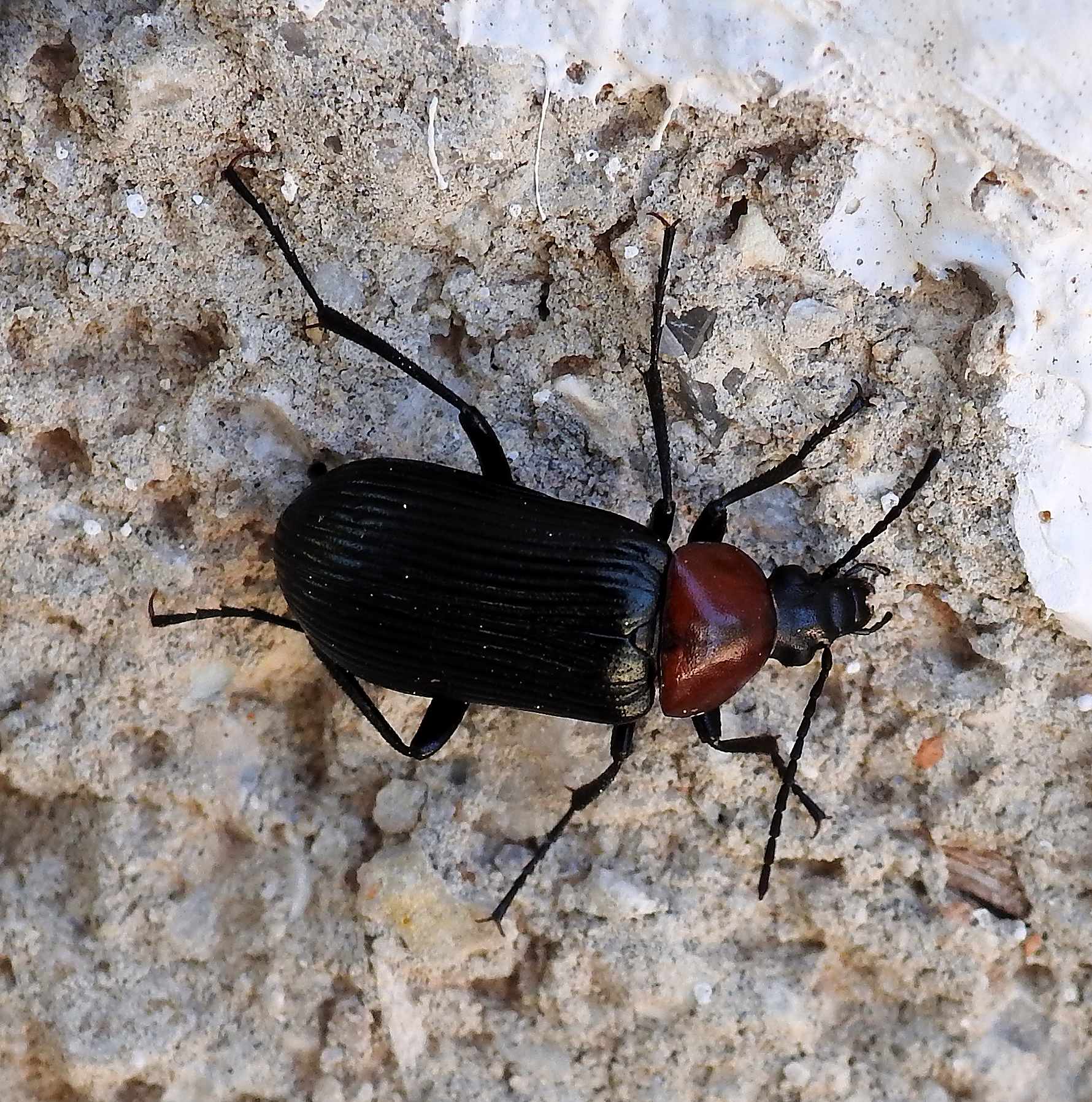
25-5-2021 TABLAS DE DAIMIEL, LA MANCHA - COMB CLAWED DARKLING BEETLE (Heliotaurus ruficollis)
Heliotaurus ruficollis (Fabricius, 1781) is a common Mediterranean comb-clawed beetle (family Tenebrionidae) recognized by its shiny black body, dark red thorax (pronotum), and 9–11 mm size. Often called the "toro del sol" (sun bull), these diurnal beetles are found in sunny, flower-rich habitats from April to June, where they feed on pollen and nectar, acting as pollinators.
Key Facts about Heliotaurus ruficollis:
Appearance: They have a black head, reddish thorax (pronotum), and black elytra (wing covers) that may show subtle blue tints, along with long legs.
Habitat and Distribution: Highly common in the Western Mediterranean region, including Spain and North Africa, residing in meadows, gardens, and shrublands.
Diet and Behavior: Adults are strictly floricolous (flower-living), feeding on pollen and nectar. They are highly active during the hottest, sunniest hours.
Larval Stage: Larvae are saprophagous, living in the soil or decaying wood, where they contribute to nutrient recycling.
Ecological Role: They are considered beneficial pollinators, though they can sometimes be seen in large numbers on flowers.
Seasonality: Visible primarily during spring, from April to June.
Classification: Belong to the order Coleoptera, family Tenebrionidae (darkling beetles), and subfamily Alleculinae.
Friday, 14 May 2021
9-5-2021 MONTE CORONA, VALENCIA - COMB CLAWED DARKLING BEETLE (Heliotaurus ruficollis)
The Comb-Clawed Darkling Beetle (Heliotaurus ruficollis), commonly known as the "toro del sol", is a diurnal insect from the Tenebrionidae family. Highly active in the spring (typically April to June), it is abundant in sunny meadows, gardens, and the mountainous scrublands of Monte Corona in Valencia.
Profile: Heliotaurus ruficollis
Size: Measures between 9 mm and 15 mm in length.
Appearance: Features a pitch-black head, legs, and abdomen, contrasted by a distinctly bright red or orange pronoto (the shield-like plate behind the head).
Diet: Adults are strictly floricolous, feeding on the pollen and nectar of umbellifers and other wildflowers.
Ecological Role: They act as opportunistic pollinators but can cause localized damage to flowers when they overfeed on petals and reproductive organs.
Life Cycle: While adults forage in the sun, larvae are detritivores that live in the soil and feed on decaying vegetation.
Tuesday, 12 June 2018
12-6-2018 MONTE CORONA, VALENCIA - COMB CLAWED DARKLING BEETLE (Heliotaurus ruficollis)
Heliotaurus ruficollis is a species of comb-clawed beetle in the family Tenebrionidae, found in southern Europe and northern Africa. The beetles are generally black with a dark red thorax.
Subscribe to:
Posts (Atom)


