TOTAL PAGEVIEWS

TRANSLATE

Friday, 2 April 2021

29-3-2021 BIOPARC, VALENCIA - EURASIAN BLACKBIRD (FEMALE) (Turdus merula)


29-3-2021 BIOPARC, VALENCIA - KNOB BILLED DUCK (MALE) (Sarkidiornis melanotos)


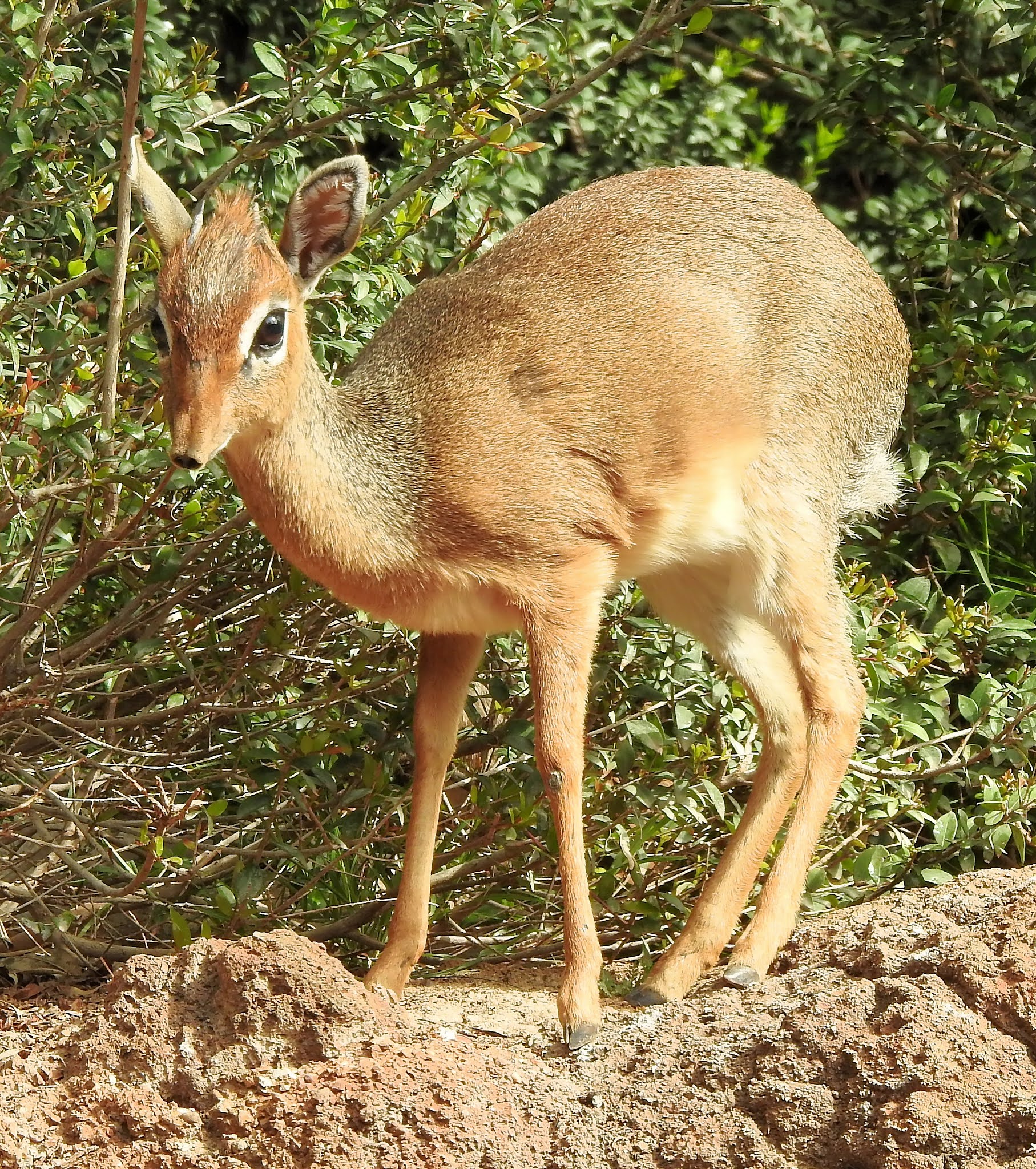
29-3-2021 BIOPARC, VALENCIA - KIRK'S DIK DIK (Madoqua kirkii)


2-4-2021 MONTE CORONA, VALENCIA - RING NECKED PHEASANT (Phasianus colchicus)


2-4-2021 MONTE CORONA, VALENCIA - CATALONIA WALL LIZARD (Podarcis liolepis)


2-4-2021 MONTE CORONA, VALENCIA - BLUE ROCK THRUSH (MALE) (Monticola solitarius)


29-3-2021 BIOPARC, VALENCIA - GREEN WINGED TEAL (Anas crecca)


Thursday, 1 April 2021

29-3-2021 BIOPARC, VALENCIA - RED RIVER HOG (Potamochoerus porcus)


29-3-2021 BIOPARC, VALENCIA - DUMERIL'S BOA (Acrantophis dumerili)


Acrantophis dumerili, commonly known as Dumeril's boa, is a species of non-venomous snake in the family Boidae. The species is endemic to Madagascar. No subspecies are currently recognized.

Adults of A. dumerili usually grow to 6.5 feet (2 m) in total length (including tail) with the maximum reported to be 8 foot, 6 inches (259 cm). Males usually have longer skinnier tails, while females tend to be larger overall.


A. dumerili is found on Madagascar. The type locality given in the original description is "Amérique mérid. ?", which is later given as "?" by Jan (1863).

Along the western coast and southwestern regions of Madagascar, it is found in a semi-arid habitat that gets fairly low amounts of precipitation.

The diet of A. dumerili consists of small animals, such as birds, lizards, and small mammals, including juvenile lemurs. It is also known to prey on other snakes.


In A. dumerili sexual maturity is reached within 3 to 5 years of age. Males have anal spurs, which are used in courtship. The mating season is March through May, and the young are born some 6 to 8 months later. Ovoviviparous, females give birth to a litters of 6-28. Neonates are 12-18 inches (30–46 cm) long.

Once exported from Madagascar in great numbers, trade in A. dumerili has since been heavily restricted. The species is, however, quite prolific in captivity, and captive bred individuals are easy to find in the exotic pet trade. Though its size makes it more suited to someone experienced with large constrictors, it has a typically docile nature, and readily feeds on rats. The main concern is that it is prone to stress, which can sometimes cause it to stop eating or can contribute to other health issues.

1-4-2021 SILLA , VALENCIA - EURASIAN TREE SPARROW (MALE) (Passer montanus)


1-4-2021 SILLA , VALENCIA - GLOSSY IBIS (Plegadis falcinellus)


1-4-2021 SILLA , VALENCIA - BLACK WINGED STILT (Himantopus himantopus)


The black-winged stilt is a black and white wading bird with incredibly long legs. They live in a variety of wetlands, from marshes to coastal lagoons. They wade through the water, plucking insects from the surface.

The Black-winged stilt (Himantopus himantopus) is one of the most fascinating waders seen on the banks of the many water-bodies in our country. Proportionately the longest legged of the waders, with the exception of the flamingo, the tall, lanky, slender-necked, Blackwinged stilt presents a stark visual contrast. Its black wings and white neck and underparts give it the distinctive look of a formally dressed dinner guest! The bright red legs and red iris provide an added dash of colour. In winter both sexes are fairly similar in appearance with dabs of greyish-brown on their heads and necks. The sooty-brown wings of the female are, however, duller than those of the male, which have an added metallic, blue-green sheen. With the onset of summer the adult male sports darker spots on his head extending down to his neck.


Members of the genus Himantopus, are a very variable species, (upto eight are recognised) of which the Black-winged is one. They have an extremely broad breeding range, from temperate to tropical climates and from rain forests to deserts, spreading over Eurasia, Africa, Australia and the Americas. Most members of this family are, however, nomadic, moving as conditions change, with a few northern hemisphere populations migrating over short distances.

The Black-winged stilt is both a resident and a visitor in India. Every winter it makes its way south in small flocks and settles on the edges of marshes, lakes, rivers and tidal areas all over the Indian peninsula. In summer these flocks move northwards again, to nest in the lakes and rivers of northern India, north-west Pakistan and Afghanistan.

1-4-2021 MONTE CORONA , VALENCIA - BLUE ROCK THRUSH (MALE) (Monticola solitarius)


1-4-2021 EL SALER , VALENCIA - ROCK PIGEON (Columba livia)


1-4-2021 EL SALER , VALENCIA - GREY HERON (Ardea cinerea)


1-4-2021 EL ROMANI , VALENCIA - GREATER FLAMINGO (Phoenicopterus roseus)


The Greater flamingo (Phoenicopterus roseus) is the most widespread and largest species of the flamingo family. It was described by Peter Simon Pallas in 1811. The Greater flamingo was previously thought to be the same species as the American flamingo, but because of coloring differences of its head, neck, body, and bill, the two flamingos are now most commonly considered separate species.

Greater flamingos have an attractive coloration and appearance. Their feathers are pinkish/white, the wing coverts are red and the primary and secondary flight feathers are black. They have long pink bills with a black tip, yellow eyes and long pink legs. The male is bigger than the female, and juveniles have a gray-brown coloration, with some pink on their underparts, tail and wings, with the legs and beak being mainly brown.


The Greater flamingo inhabits Africa, the Middle East, southern Europe, and the Indian subcontinent. They occur in relatively shallow water bodies, such as saline lagoons, salt pans, large alkaline or saline lakes, and estuaries. Breeding takes place on sandbanks, mudflats, sandy or rocky islands, or open beaches.


Greater flamingos are very social. They travel in groups numbering up to thousands and they communicate by using visual and auditory cues. Greater flamingos are partially dispersive and migratory. They are traveling constantly, seeking areas with enough resources to sustain the whole flock, especially during the mating season. Greater flamingos keep their chicks together in crèches. Adults supervising crèches tend to act in a hostile way toward hatchlings if their own young are not in that crèche. Greater flamingos are diurnal, feeding during the day. Being bottom feeders, they rely on water levels that are low, and they move to new areas to find appropriate feeding conditions. They often bathe in fresh shallow water and preen their feathers to remove salt from them. They are not territorial birds but during breeding season they do defend their nests.

1-4-2021 EL ROMANI , VALENCIA - GLOSSY IBIS (Plegadis falcinellus)